

Chestnut brown hair sits comfortably in the brunette family while adding a little more warmth than a classic neutral brown. Depending on the shade, that warmth can look chocolatey, reddish-brown, golden-brown, or softly caramel-toned without making the overall color stop looking brunette.
Quick answer: Chestnut brown hair is a warm brunette color that combines rich brown depth with subtle reddish-brown, golden-brown, or softly copper-brown warmth. It can range from deep and understated to brighter and more dimensional, depending on the base depth, undertone, highlights, and placement.
The 17 ideas below show different ways to wear chestnut brown hair, from solid deep brunette to balayage, caramel ribbons, chocolate lowlights, and softly dimensional ends. Compare the depth, warmth, contrast, and placement before choosing a reference for your stylist.
17 Chestnut Brown Hair Color Ideas
Chestnut brown can look quiet and natural or noticeably warm and dimensional. The key is keeping enough brown depth visible so the finished color still reads brunette first.
1. Classic Chestnut Brown Hair
Classic chestnut brown combines a rich brunette base with soft warm brown undertones. The color stays relatively even from roots through the lengths, so the warmth comes through naturally rather than as obvious highlights.
In softer indoor light, the hair can look mostly brown. Brighter natural light may reveal more of the chestnut warmth.
Stylist reference: Ask for a natural-looking chestnut brunette with subtle warm brown undertones and very low contrast.
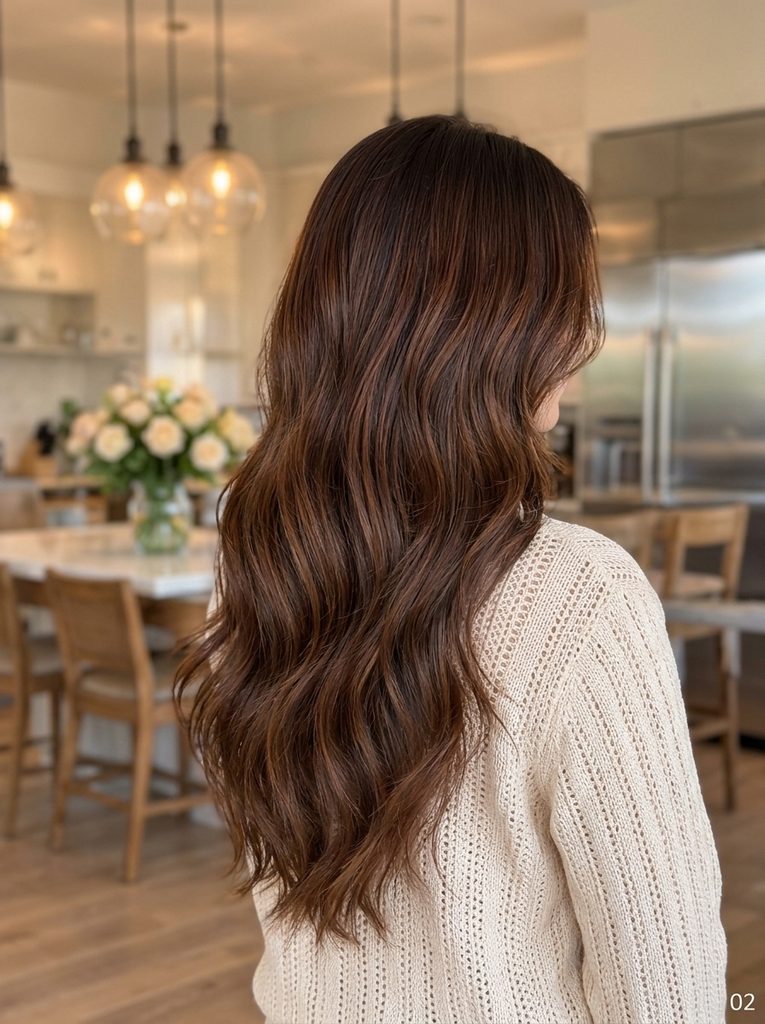
2. Dark Chestnut Brown Hair
Dark chestnut brown keeps a deeper brunette foundation while adding just enough warm red-brown depth to separate it from a neutral dark brown.
The chestnut tone can stay understated in shadow and become easier to notice when the hair catches daylight.
Stylist reference: Ask for a deep brunette base with subtle chestnut warmth rather than a bright red or copper finish.
3. Chocolate Chestnut Brown
This version leans more chocolate than red. A deep brown base carries soft chestnut warmth through the lengths, creating a rich brunette look with low contrast.
It is a useful direction if you like warm brown hair but want the color to stay deeper and less obviously red-toned.
Stylist reference: Ask for a chocolate-brown base with gentle chestnut warmth and no bright copper tones.
4. Warm Chestnut Brunette
Warm chestnut brunette makes the chestnut undertone easier to see while still keeping a clearly brown foundation.
Instead of turning fully auburn, the color stays grounded in brunette with a soft mix of warm brown and subtle red-brown dimension.
Stylist reference: Ask for a noticeably warm chestnut brunette that still reads brown first.
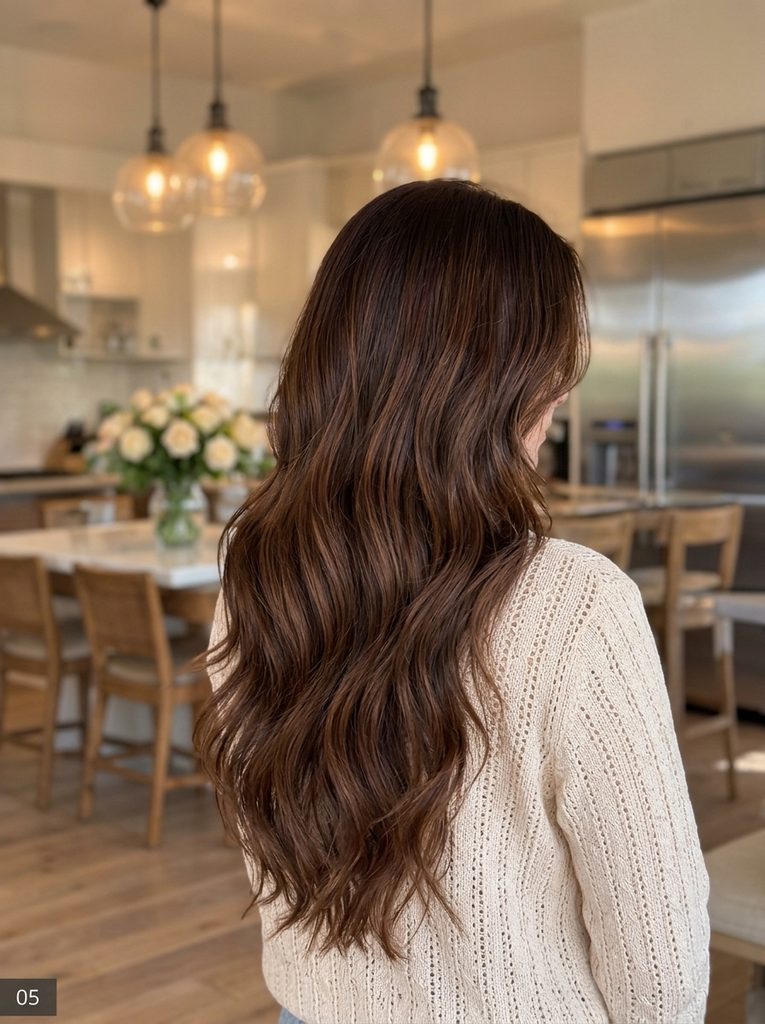
5. Soft Reddish Chestnut Brown
This look adds a little more red-brown character to the chestnut base. The result feels warmer than chocolate brown but softer than a strongly red auburn shade.
Keeping the red influence subtle helps the hair stay within the brunette family.
Stylist reference: Ask for a chestnut brown base with soft reddish-brown undertones rather than a bright auburn finish.
6. Golden Chestnut Brown
Golden chestnut brown adds a softer golden-brown glow to a warm brunette base. The warmth becomes more visible in brighter light without needing obvious blonde pieces.
The result can feel lighter and more reflective than deep chestnut while still looking clearly brown.
Stylist reference: Ask for chestnut brown with subtle golden-brown warmth and no blonde takeover.
7. Chestnut Brown With Caramel Ribbons
Fine caramel ribbons add brightness without covering the chestnut base. The lighter pieces can stay narrow and scattered through the mid-lengths and ends.
Leaving plenty of chestnut brown between the caramel helps keep the overall look rich and dimensional.
Stylist reference: Ask for fine caramel-brown ribbons over a chestnut base with low-to-medium contrast.
For more warm brunette inspiration, see our guide to dark brown hair with caramel highlights.
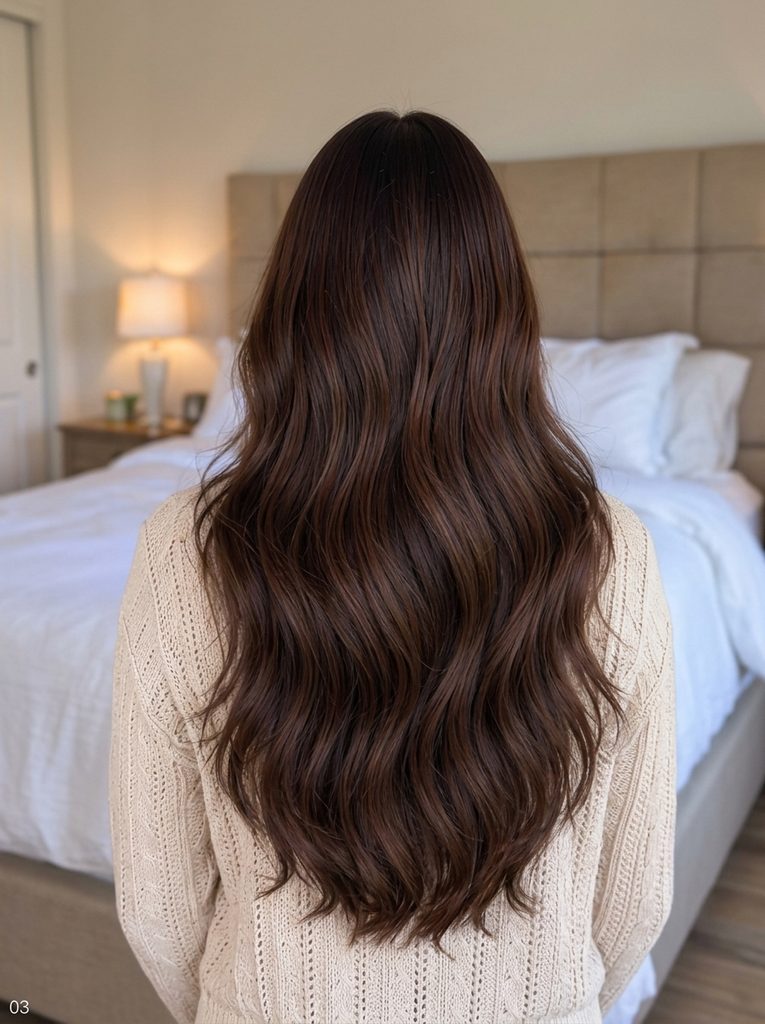
8. Chestnut Brown With Face-Framing Dimension
This version keeps most of the hair chestnut brown while adding slightly lighter warm-brown pieces around the front.
The front pieces can stay close to the base color for a soft result instead of becoming dramatically bright.
Stylist reference: Ask for subtle warm-brown face-framing pieces that blend naturally into a chestnut brunette base.
9. Chestnut Brown Balayage
Chestnut brown balayage keeps more depth around the roots and introduces softer warm-brown dimension through selected mid-lengths and ends.
The placement can stay gradual so the transition looks blended rather than creating a clear line between dark and light.
Stylist reference: Ask for deep chestnut roots with softly blended warm-brown balayage through the lengths.
If you like blended brunette placement, explore our brunette balayage ideas for more variations.
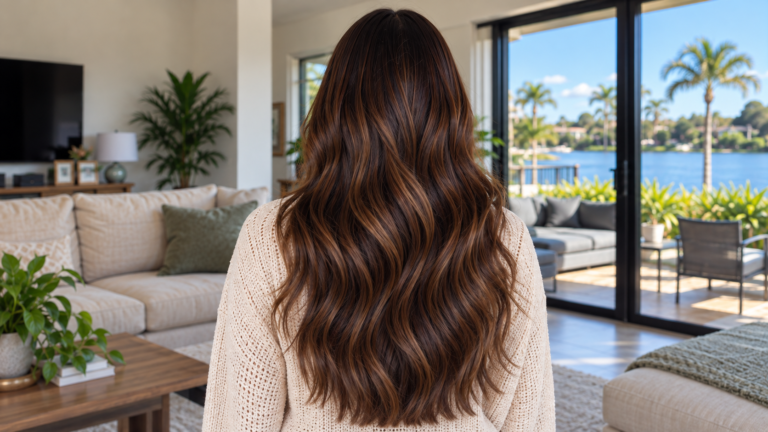
10. Chestnut Brown With Chocolate Lowlights
Not every dimensional chestnut look needs lighter pieces. Deeper chocolate-brown sections can add shadow and richness through a warmer chestnut base.
The darker pieces create depth while allowing the warm brown sections to stand out naturally.
Stylist reference: Ask for a chestnut brunette base with deeper chocolate-brown dimension rather than extra brightness.
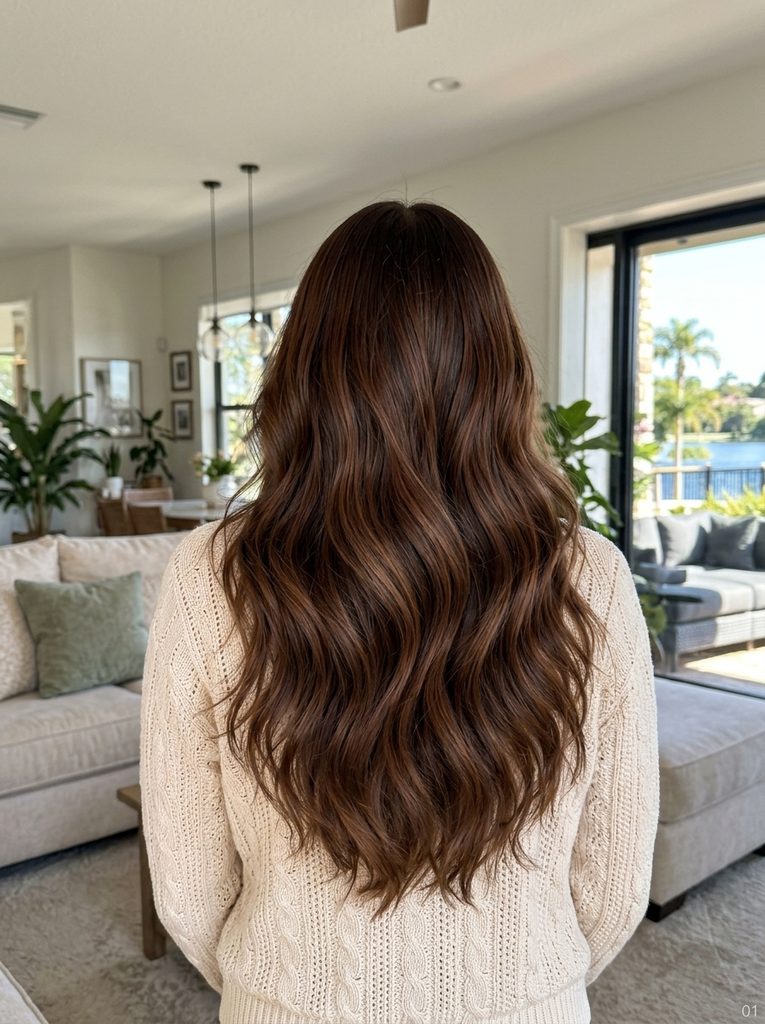
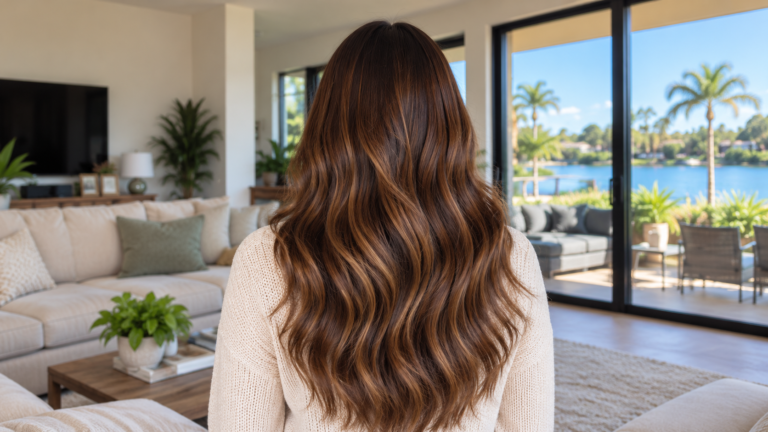
11. Chestnut Brown With Caramel Balayage
Caramel balayage creates more visible warmth and brightness against a chestnut brunette base.
The most dimensional versions keep the crown and interior sections darker while placing caramel through selected mid-lengths and ends.
Stylist reference: Ask for chestnut brown with soft caramel-brown balayage and visible brunette separation.
For a more balayage-specific warm brunette guide, see caramel balayage on dark brown hair.
12. Deep Mahogany-Chestnut Brown
Mahogany-chestnut adds deeper red-brown richness to a dark brunette foundation. The color should still feel brown rather than turning obviously burgundy or purple.
This creates one of the deeper and moodier chestnut variations in the list.
Stylist reference: Ask for deep chestnut brunette with subtle mahogany-brown depth and no strong purple cast.
13. Multi-Tonal Chestnut Brunette
Multi-tonal chestnut combines several related brunette shades instead of relying on one uniform color.
Deep brown, chestnut, chocolate, and slightly lighter warm-brown pieces can work together to create dimension without obvious striping.
Stylist reference: Ask for multiple closely related brown tones with chestnut warmth rather than high-contrast highlights.
14. Straight Glossy Chestnut Brown Hair
Straight hair makes the overall chestnut tone easier to see because waves are not breaking up the color.
A mostly solid chestnut shade can still show dimension through realistic strands, natural shine, and subtle changes in warmth where the light hits.
Stylist reference: Ask for chestnut brown that stays smooth and blended when worn straight, without relying on obvious highlight placement.
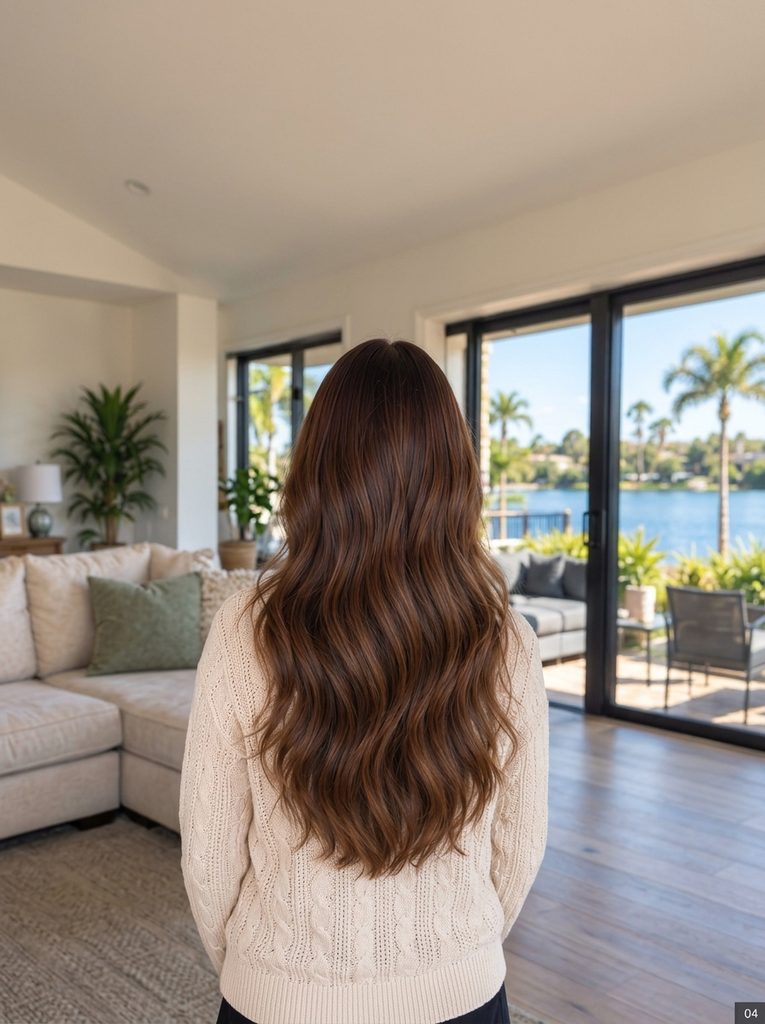
15. Chestnut Brown on Soft Waves
Soft waves naturally reveal different areas of warmth and shadow. Even a relatively solid chestnut color can appear more dimensional as each bend catches the light differently.
This is a useful reference if you want warmth and movement without many lighter pieces.
Stylist reference: Bring a softly waved reference if this is how you normally wear your hair so you can judge the tone in a similar texture.
16. Chestnut Brown on Naturally Curly Hair
Curly hair creates its own pattern of light and shadow, which can make chestnut brown look naturally multi-dimensional.
Some curls can stay deeper brunette while selected sections reveal slightly warmer brown dimension.
Stylist reference: Bring a photo with a curl pattern similar to your own and point out where you want the warmer chestnut pieces to appear.
17. Layered Chestnut Brown With Dimensional Ends
Layers create natural places for softer brown tones to show through. The crown can remain deep chestnut while chocolate, caramel-brown, or lighter chestnut dimension becomes more visible through the ends.
This keeps the upper hair rich while adding movement and warmth through the lower sections.
Stylist reference: Ask for chestnut brown with subtle dimensional pieces placed to follow your existing layers.
Chestnut Brown Hair Ideas at a Glance
| Chestnut Look | Tone | Contrast | Main Dimension | Overall Feel |
|---|---|---|---|---|
| Classic Chestnut | Warm Brown | Very Low | Natural undertone | Rich and natural |
| Dark Chestnut | Deep Warm Brown | Low | Subtle red-brown depth | Deep brunette |
| Chocolate Chestnut | Warm/Neutral | Low | Chocolate depth | Rich and soft |
| Warm Chestnut | Warm | Low | Visible chestnut warmth | Warm brunette |
| Reddish Chestnut | Red-Brown | Low | Soft red-brown undertone | Warm and dimensional |
| Golden Chestnut | Golden Brown | Low–Medium | Golden warmth | Brighter brunette |
| Caramel Ribbons | Warm | Medium | Fine caramel pieces | Dimensional |
| Face-Framing Chestnut | Warm | Medium | Front pieces | Focused brightness |
| Chestnut Balayage | Warm | Medium | Mid-lengths + ends | Softly blended |
| Chocolate Lowlights | Deep Warm Brown | Low | Darker sections | Rich and deep |
| Caramel Balayage | Warm | Medium–High | Lengths + ends | Brighter and dimensional |
| Mahogany-Chestnut | Deep Red-Brown | Low | Mahogany depth | Deep and warm |
What Color Is Chestnut Brown Hair?
Chestnut brown is a warm brunette shade that combines a brown foundation with subtle red-brown, chocolate, golden-brown, or softly copper-brown warmth.
The exact appearance can change with lighting. A deeper chestnut may look mostly dark brown indoors, while brighter natural light reveals more of the warm undertone.
“Chestnut brown” is not one universal salon formula. Two references with the same shade name can show different depths and undertones, so visual examples are more useful than the name alone.
Chestnut Brown vs. Chocolate Brown Hair
Chestnut brown generally shows more noticeable warm red-brown character than chocolate brown.
Chocolate brown usually stays closer to a rich brown or warm neutral brunette, while chestnut introduces more visible red-brown or golden-brown warmth.
The two can overlap, so compare reference images based on the undertone you actually want rather than relying only on the label.
Chestnut Brown vs. Auburn Hair
Chestnut and auburn can both include warm red-brown tones, but they usually differ in what color remains visually dominant.
Chestnut brown still reads brunette first. Auburn generally allows the red or copper influence to become a stronger part of the overall color.
If you want a brunette result, choose references where brown remains clearly visible throughout the roots and lengths.
Warm vs. Deep Chestnut Brown
Deep chestnut keeps more dark brunette depth and lets the warm undertone appear subtly, especially in brighter light.
Warm chestnut makes the red-brown or golden-brown character easier to notice from a distance.
Neither direction needs to become bright red. The difference is mainly how visible the warmth is against the brown foundation.
Solid Chestnut Brown vs. Dimensional Chestnut Brown
A solid chestnut look keeps the tone relatively consistent from roots through the lengths. Natural texture and lighting create most of the visible variation.
Dimensional chestnut introduces additional tones such as chocolate, caramel, mocha-brown, or lighter warm-brown pieces.
If you want the result to stay strongly brunette, choose references where the chestnut base remains the largest part of the overall color.
Chestnut Brown With Highlights or Balayage
Chestnut brown can be paired with both subtle highlights and softly blended balayage.
Fine caramel or warm-brown ribbons create more scattered dimension, while balayage can concentrate more brightness through selected mid-lengths and ends.
Deeper chocolate pieces can also add dimension without increasing brightness, which is useful if you prefer a richer brunette result.
How to Choose a Chestnut Brown Hair Color
Start by deciding how dark you want the overall brunette base to feel. Deep chestnut keeps more shadow and richness, while lighter chestnut references make the warmth easier to see.
Next, decide what type of warmth you prefer. Chocolate-chestnut feels deeper, reddish chestnut shows more red-brown character, and golden chestnut creates a softer golden-brown effect.
Then choose between a solid and dimensional look. Caramel ribbons, balayage, chocolate lowlights, and face-framing pieces can all change how noticeable the chestnut color becomes.
Finally, compare photos with a hair texture similar to how you usually wear yours. Straight hair, waves, and curls can show the same color differently.
What to Ask Your Stylist About Chestnut Brown Hair
You do not need to know every technical salon term. Focus on describing the finished look you want.
- How dark should the brunette base stay?
- Should the chestnut warmth be subtle or more visible?
- Do I want chocolate, reddish-brown, or golden-brown undertones?
- Should the color stay mostly solid or include dimension?
- Do I want caramel or lighter brown ribbons?
- Would I like brighter pieces around the front?
- Do I want deeper chocolate sections for extra richness?
- How will this color look with my usual straight, wavy, or curly texture?
- How could my current color or previous color work affect the result?
- What maintenance would this specific chestnut look require on my hair?
Bring two or three reference photos if needed. One can show the depth you like, another the undertone, and another the amount of dimension.
Chestnut Brown Hair Maintenance Considerations
There is no single maintenance schedule that applies to every chestnut brown color.
A solid brunette result, a dimensional balayage, and a chestnut shade with lighter highlights can all change differently over time. Your starting color, previous color services, undertone, and amount of contrast also matter.
Ask your stylist what care and refresh schedule makes sense for the exact color service performed on your hair rather than following one universal timeline.
Frequently Asked Questions About Chestnut Brown Hair
What color is chestnut brown hair?
Chestnut brown is a warm brunette shade that combines brown depth with subtle red-brown, chocolate, golden-brown, or softly copper-brown warmth. Is chestnut brown hair warm or cool?
Chestnut brown generally leans warm because it often includes red-brown, chocolate, or golden-brown undertones. However, the amount of visible warmth can vary between different chestnut references. Is chestnut brown the same as auburn?
No. The shades can overlap, but chestnut usually keeps brown as the dominant color, while auburn typically gives red or copper a stronger visual role. What is the difference between chestnut brown and chocolate brown hair?
Chestnut brown usually shows more noticeable red-brown or golden-brown warmth, while chocolate brown generally stays closer to a rich warm or neutral brown. Can chestnut brown hair have highlights?
Yes. Caramel, warm-brown, chocolate, or other brunette-toned pieces can add dimension while allowing the chestnut base to remain visible. Can chestnut brown hair have balayage?
Yes. Chestnut balayage can keep deeper roots while blending softer warm-brown or caramel-brown dimension through selected mid-lengths and ends. What should I show my stylist for chestnut brown hair?
Bring photos that show the depth, warmth, undertone, amount of dimension, placement, and hair texture you prefer. Point out the specific details you like instead of relying only on the phrase “chestnut brown.”
Final Takeaway
Chestnut brown hair can range from a deep brunette with barely visible warmth to a brighter, more dimensional mix of chestnut, chocolate, caramel, and warm-brown tones.
Before choosing a reference, compare the base depth, undertone, amount of contrast, and placement of any lighter or darker pieces.
Save two or three chestnut brown hair ideas that feel closest to your goal. The details they share will give you a clearer visual reference to discuss during your salon consultation.


Comments