
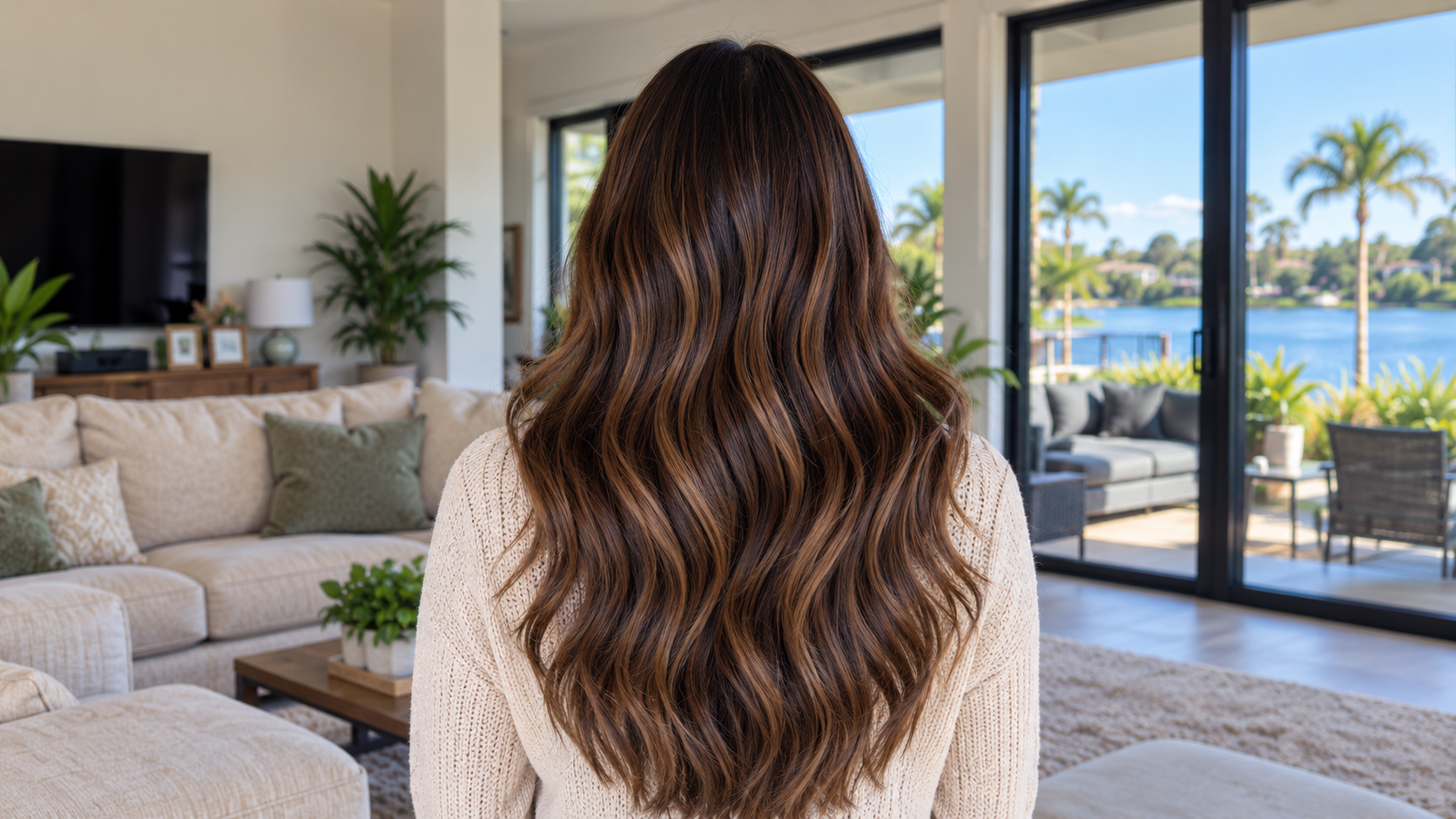
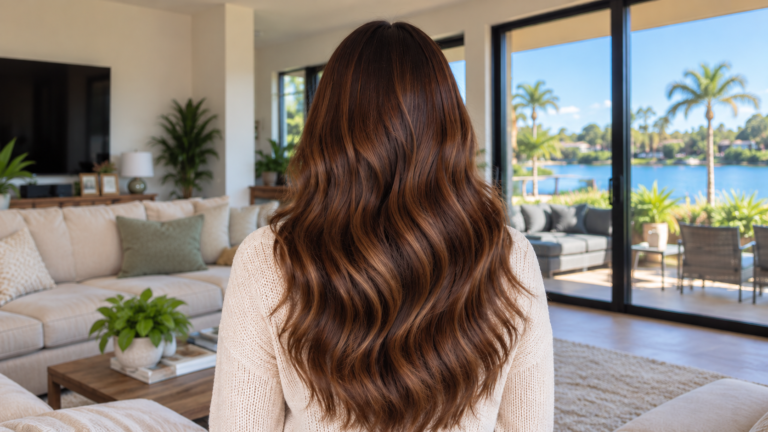
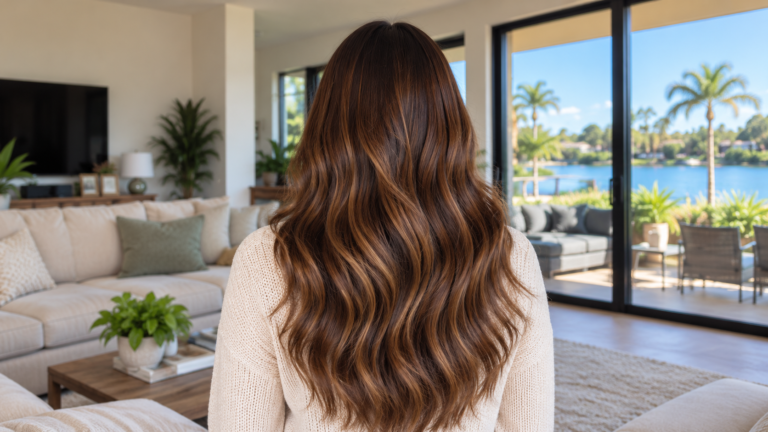
Low maintenance brunette balayage usually works by keeping more depth near the roots and blending lighter brown tones softly through selected lengths rather than creating a strong line of brightness close to the scalp.
Quick answer: A low maintenance brunette balayage typically keeps the root area darker, uses softer contrast, and places most of the lighter brown dimension through the mid-lengths and ends. That can make new growth look less visually obvious than a high-contrast color placed close to the roots, although the actual upkeep still depends on your starting color, chosen tone, placement, and salon service.
The 17 ideas below range from barely-there brunette dimension to warmer caramel and honey-brown variations. Instead of looking only at the lightest color, compare the root depth, contrast, ribbon size, and where the brightness begins.
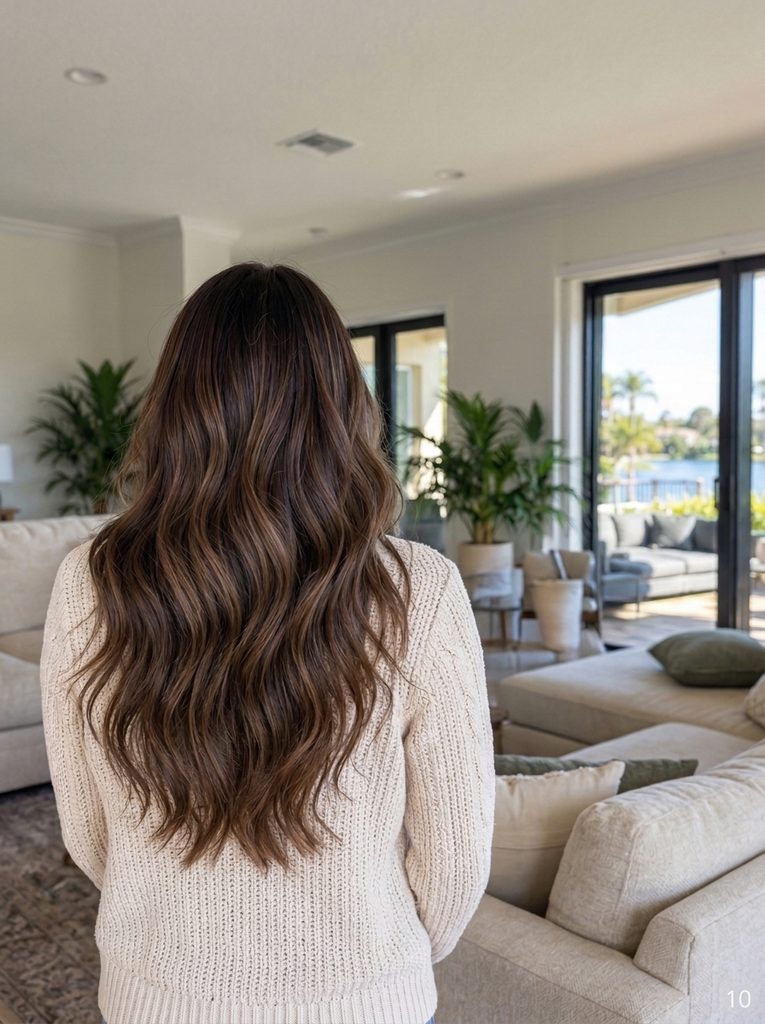
17 Low Maintenance Brunette Balayage Ideas
The easiest way to compare these looks is to notice how much natural brunette remains visible. Softer, more rooted placements generally create a less obvious line between new growth and previously colored lengths.
1. Soft Brunette Balayage With Dark Natural Roots
This look keeps the crown and upper lengths deep brunette, then introduces slightly lighter brown pieces gradually through the mid-lengths and ends.
Because the transition begins away from the scalp, the overall color stays rooted and natural-looking rather than appearing freshly highlighted from root to tip.
Stylist reference: Ask for soft brunette balayage with a deep natural-looking root and low-to-medium contrast through the lengths.
2. Mocha Brunette Balayage
Mocha balayage uses brown tones that stay relatively close to the brunette base. The difference between the dark sections and lighter pieces is visible but soft.
This keeps the overall look brunette first while adding movement through coffee-brown and mocha-toned sections.
Stylist reference: Ask for deep brunette roots with soft mocha-brown balayage and very blended transitions.
3. Chocolate Brown Balayage With Root Depth
A chocolate-brown variation adds warmth without jumping to a much lighter shade. The roots remain deep, while warmer brown dimension appears gradually through the lengths.
The tonal difference stays small enough to keep the result rich rather than strongly highlighted.
Stylist reference: Ask for a dark brunette base with chocolate-brown balayage and plenty of root depth.
4. Fine Caramel Ribbons on Dark Brunette Hair
Caramel can still fit a softer brunette balayage when the ribbons stay fine and selectively placed.
Instead of filling the entire head with bright pieces, this look leaves plenty of dark brunette between each ribbon and keeps most of the brightness away from the root.
Stylist reference: Ask for fine caramel-brown balayage ribbons with dark roots and plenty of brunette separation.
For more warm brunette placement ideas, see our caramel balayage on dark brown hair guide.
5. Neutral Beige Brunette Balayage
This version uses muted beige-brown pieces instead of noticeably golden caramel. The lighter sections remain within the brunette family and sit close to the depth of the base.
The soft tonal difference creates dimension without producing a dramatic dark-versus-light effect.
Stylist reference: Ask for neutral beige-brown balayage over a dark brunette base with soft contrast.
6. Rooted Brunette Balayage With Soft Face-Framing Pieces
This look keeps the overall root area dark but adds a little more brightness near the front.
The face-framing pieces stay brown rather than becoming very blonde, helping them connect naturally to the rest of the balayage.
Stylist reference: Ask for subtle warm-brown face-framing pieces with a deep root and softly blended brunette balayage.
7. Brunette Balayage Concentrated Through the Ends
Placing most of the lighter color farther down the hair keeps the upper section close to the original brunette shade.
The color gradually becomes easier to see toward the lower lengths and ends, creating a rooted appearance without an abrupt ombré line.
Stylist reference: Ask for brunette balayage concentrated mainly through the lower half with minimal brightness near the roots.
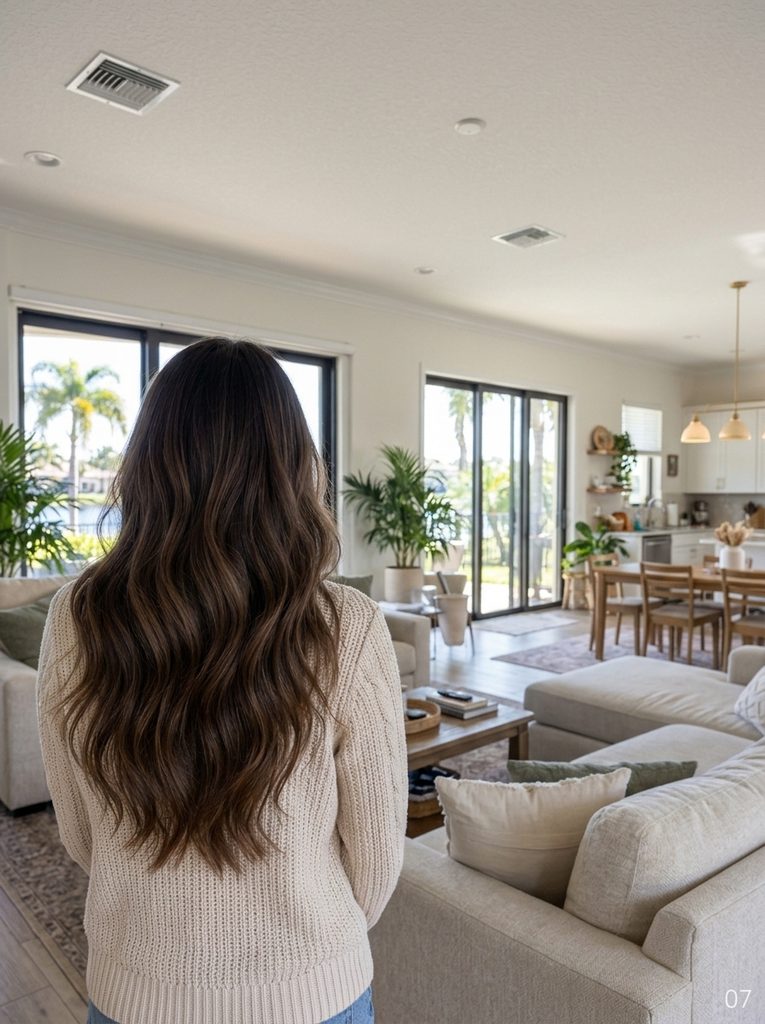
8. Espresso-to-Mocha Brunette Balayage
This is one of the deeper variations. An espresso-brown crown transitions softly into mocha-brown dimension without introducing much overall brightness.
The related coffee-brown shades create movement while keeping the finished color dark.
Stylist reference: Ask for an espresso brunette base fading into subtle mocha-brown balayage through selected lengths.
9. Chestnut Brunette Balayage
Chestnut balayage adds warm brown depth rather than obvious blonde highlights. The result can show soft red-brown warmth while still reading as brunette.
Keeping the root dark and the chestnut pieces closely related to the base helps the color remain subtle.
Stylist reference: Ask for a dark brunette base with soft chestnut-brown balayage and low contrast.
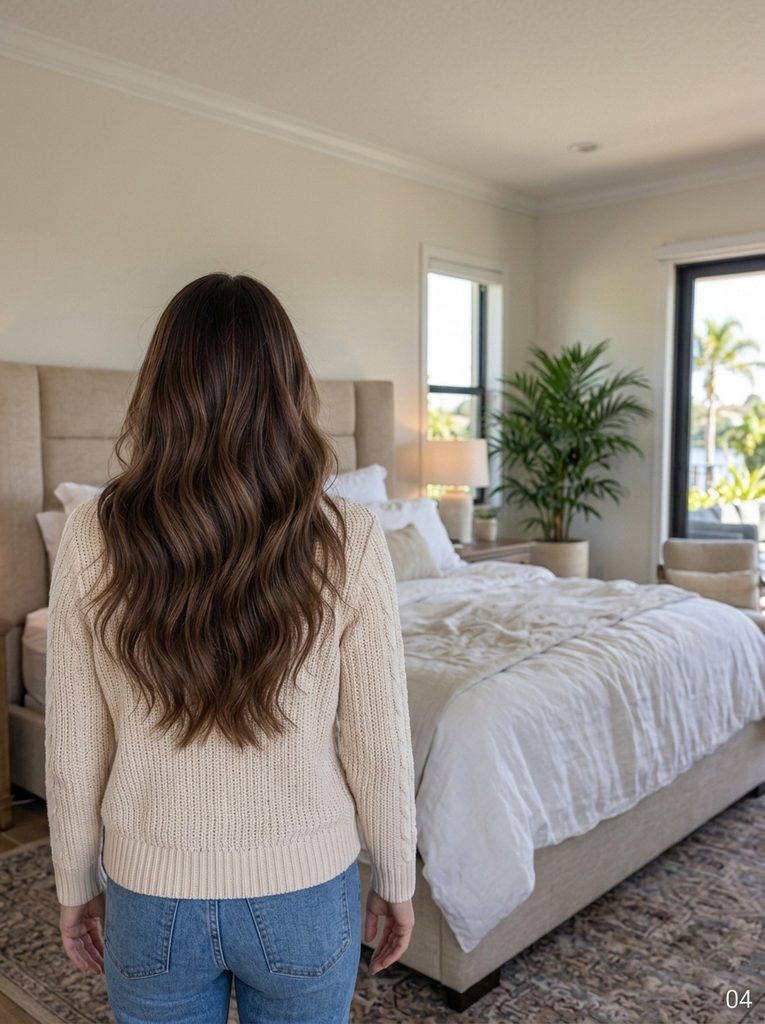
10. Toffee Brown Balayage With Dark Roots
Toffee-brown pieces create a slightly brighter warm variation while the roots and interior sections stay deep brunette.
The brightness works best when it is selective rather than evenly distributed through every section.
Stylist reference: Ask for dark rooted brunette hair with fine toffee-brown balayage through selected mid-lengths and ends.
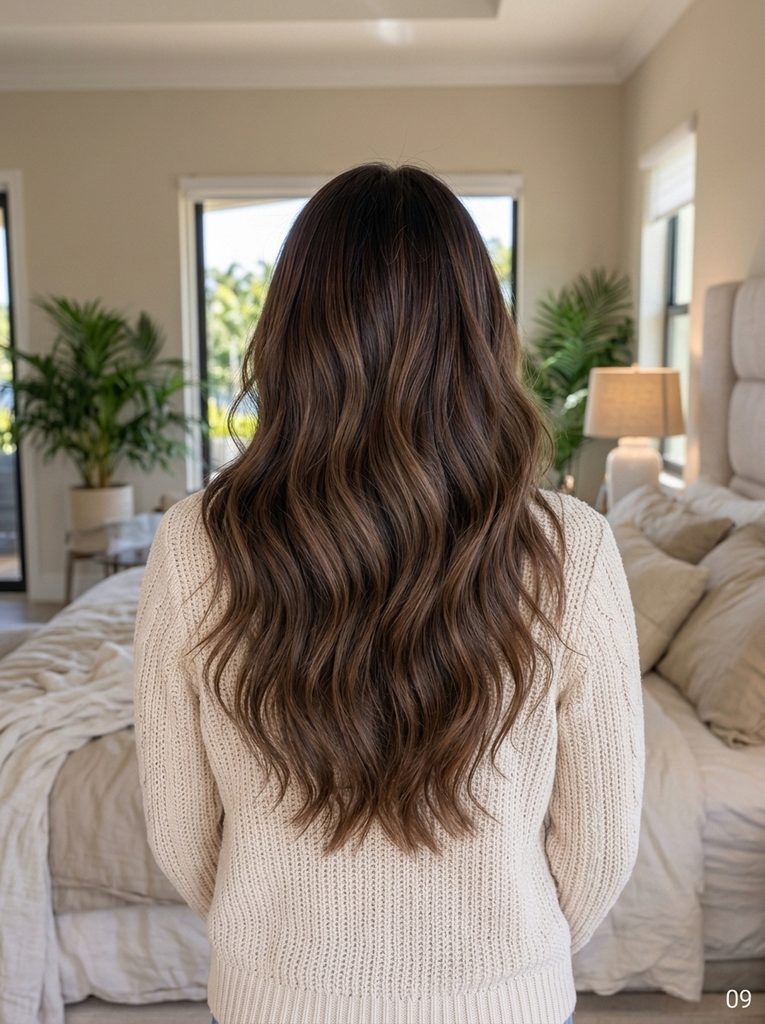
11. Soft Beige-Mocha Balayage
Beige and mocha tones sit close enough together to create a smooth, muted brunette result.
There is visible dimension, but no single section needs to become dramatically lighter than the rest of the hair.
Stylist reference: Ask for mocha brunette balayage with soft beige-brown pieces and minimal tonal contrast.
12. Honey-Brown Balayage With a Deep Root
Honey-brown adds more visible warmth than mocha or chocolate, but keeping the crown dark prevents the entire look from becoming bright.
Selected honey-brown pieces can appear mainly through the lower mid-lengths and ends rather than beginning close to the scalp.
Stylist reference: Ask for a deep brunette root with selective honey-brown balayage through the lower lengths.
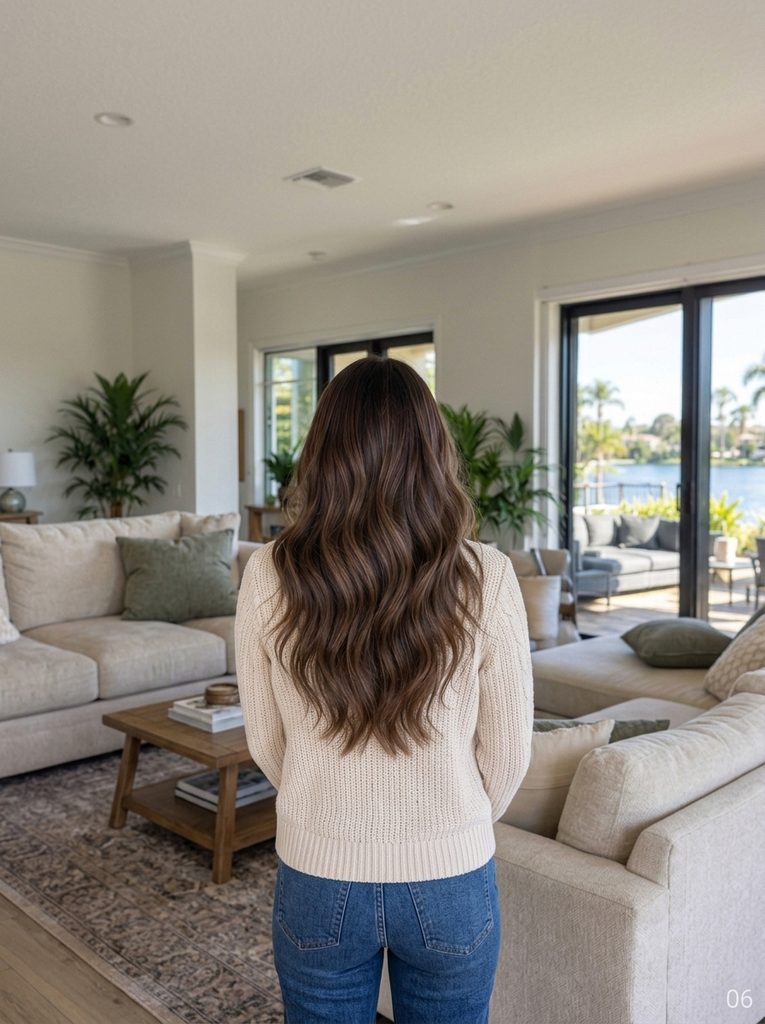
13. Barely-There Brunette Balayage
This is the most subtle idea in the collection. The balayage is only slightly lighter than the brunette base and may become most noticeable when natural light hits the hair.
There are no bold ribbons or dramatic color jumps, just a small difference in depth that adds movement.
Stylist reference: Ask for very low-contrast brunette balayage only slightly lighter than the natural-looking base.
14. Layered Brunette Balayage With Soft Ends
Layers create natural areas where slightly lighter brown pieces can show through without coloring every section equally.
The crown remains deeper while the balayage follows selected layers toward the ends, emphasizing movement rather than obvious stripes.
Stylist reference: Ask for subtle brunette balayage placed to follow the existing layers with a dark root.
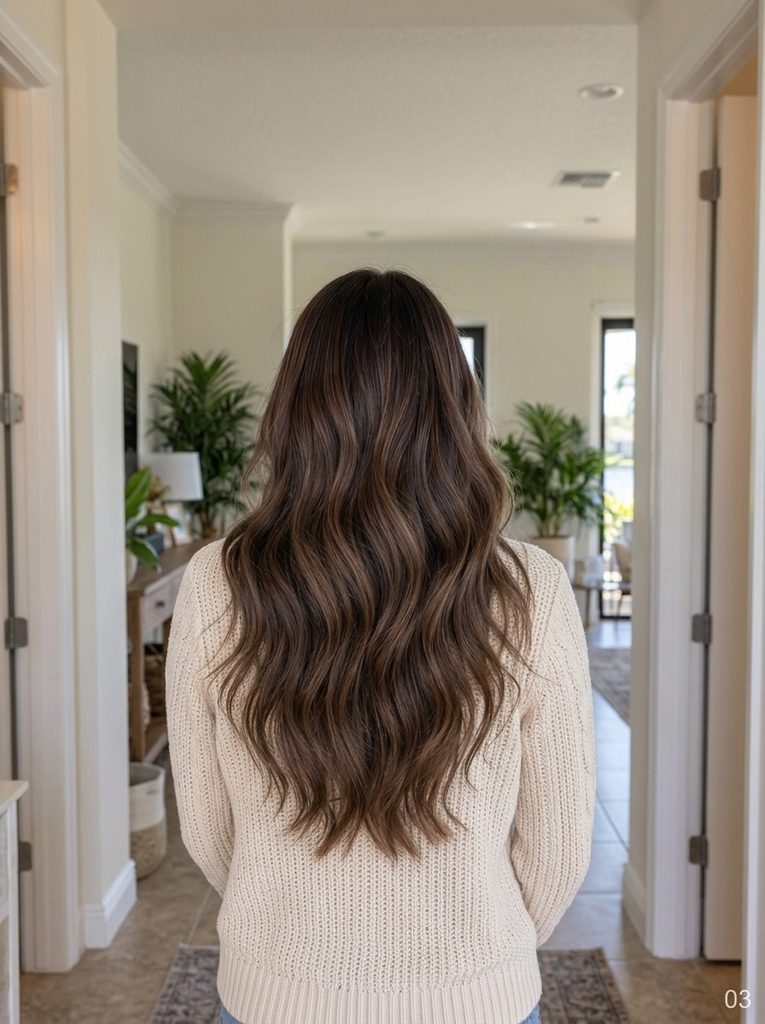
15. Straight Brunette Hair With Fine Balayage
Straight hair makes color placement easier to see, so softer ribbons can help prevent the balayage from looking heavily striped.
Fine mocha or medium-brown pieces spaced irregularly through the lengths create understated dimension while the root stays dark.
Stylist reference: Ask for fine, softly spaced brunette balayage designed to look blended when the hair is worn straight.
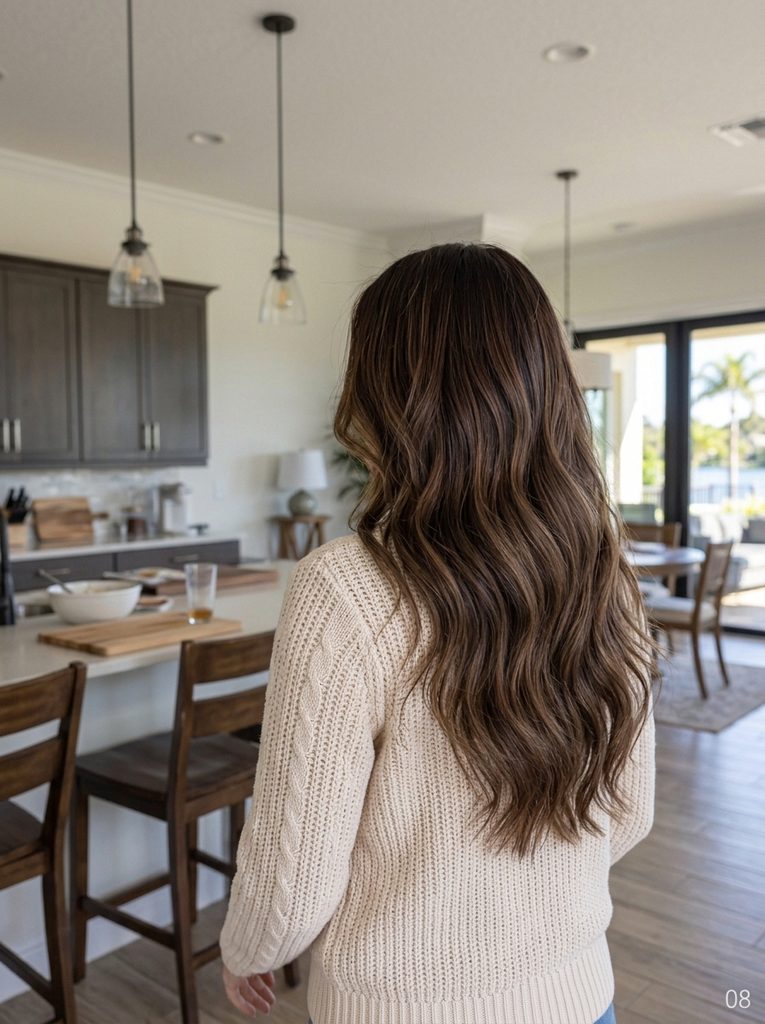
16. Curly Brunette Balayage With Natural Root Depth
Curls naturally break the color into smaller areas of light and shadow. Some curls can remain deep brunette while selected curls reveal softer brown dimension.
Keeping the lighter color selective allows the natural root depth to stay an important part of the finished look.
Stylist reference: Bring a photo with a similar curl pattern and ask for subtle balayage through selected curls while keeping the root area deeper.
17. Multi-Tonal Lived-In Brunette Balayage
This look mixes several closely related brunette tones instead of one strong highlight shade.
Deep brown roots, chocolate, mocha, and slightly lighter brown pieces work together through the lengths, creating a blended result with no obvious single transition line.
Stylist reference: Ask for a multi-tonal brunette balayage with dark roots and several closely related brown shades rather than high-contrast highlights.
Low Maintenance Brunette Balayage Ideas at a Glance
| Look | Contrast | Root Depth | Main Placement | Visual Effect |
|---|---|---|---|---|
| Soft Rooted Brunette | Low | Deep | Mid-lengths + ends | Natural and blended |
| Mocha Balayage | Low | Deep | Throughout selected lengths | Soft coffee-brown dimension |
| Chocolate Balayage | Low–Medium | Deep | Lengths | Rich and warm |
| Fine Caramel Ribbons | Medium | Deep | Selected mid-lengths + ends | Warm dimension |
| Neutral Beige Brunette | Low | Deep | Softly distributed | Muted and blended |
| Face-Framing Brunette | Low–Medium | Deep | Front + soft lengths | Focused brightness |
| Balayage Ends | Medium | Very Deep | Lower half | Rooted and gradual |
| Espresso to Mocha | Very Low | Very Deep | Selected lengths | Dark and dimensional |
| Chestnut Balayage | Low | Deep | Mid-lengths + ends | Warm brunette |
| Toffee Brown | Medium | Deep | Selected lengths | Warmer and brighter |
| Barely-There Balayage | Very Low | Deep | Scattered | Extremely subtle |
| Multi-Tonal Brunette | Low–Medium | Deep | Throughout lengths | Lived-in dimension |
What Makes Brunette Balayage Lower Maintenance?
“Low maintenance” is not one specific hair color formula. It usually describes a visual approach that makes the difference between the root area and colored lengths less obvious as the hair grows.
Darker root depth: Leaving more of the root area close to the natural-looking brunette base reduces the appearance of a sharp color change near the scalp.
Softer contrast: Mocha, chocolate, chestnut, and medium-brown pieces generally create less visual separation from a brunette base than much lighter ribbons.
Lower placement: Balayage that begins through the mid-lengths or farther down leaves more untouched-looking brunette around the crown.
Selective brightness: A few strategically lighter pieces create dimension without requiring every section to become brighter.
Low Maintenance Does Not Mean No Maintenance
Even a softly rooted balayage can change in tone and appearance over time. The lighter sections, overall brunette color, haircut, and styling can all affect how the finished look appears between appointments.
Your starting shade, previous color work, amount of lightness, and exact salon service can also change the type of upkeep your hair needs.
For that reason, it is more useful to think of “low maintenance” as a placement and contrast goal rather than a promise that the color will require no future salon care.

Subtle vs. Brighter Low Maintenance Brunette Balayage
A subtle version keeps the balayage only slightly lighter than the brunette base. Mocha, chocolate, chestnut, and neutral brown tones work well for this visual direction.
A brighter version can still keep a rooted appearance by concentrating caramel, toffee, or honey-brown pieces farther from the scalp and preserving dark sections between them.
If minimizing visible root contrast matters most to you, pay close attention to where the lighter color starts rather than only how bright the ends are.
Low Maintenance Brunette Balayage vs. Traditional Highlights
The finished looks can overlap, but the visual placement may differ.
A softly rooted balayage often uses varied placement through the lengths while leaving more depth near the crown. Traditional highlighted looks can place brightness closer to the root or distribute it more evenly depending on the technique and desired result.
If you want a broader range of brunette balayage placements, explore our brunette balayage ideas.
How to Choose a Low Maintenance Brunette Balayage
Start with your preferred root depth. Decide whether you want the crown to remain almost entirely dark brunette or whether you are comfortable with some lighter pieces beginning higher up.
Next, choose the contrast level. Barely-there brown and mocha pieces create a quieter result, while caramel or honey-brown ribbons create more visible separation.
Then look at placement. Lower placement keeps more brunette visible through the upper hair, while face-framing pieces create focused brightness around the front.
Finally, compare inspiration photos with a texture similar to how you normally wear your hair. Straight, wavy, and curly hair can make the same placement appear noticeably different.
What to Ask Your Stylist
Instead of asking only for “low maintenance balayage,” explain what low maintenance means visually to you.
- Can we keep most of the root area deep brunette?
- Where should the lighter pieces begin?
- How much contrast will there be between my base and balayage?
- Can the lighter tones stay within the brunette family?
- Would mocha, chocolate, chestnut, caramel, or beige-brown fit the reference I like?
- Do I want brighter pieces around the front?
- Can we preserve dark sections between the lighter ribbons?
- How will this placement look with my usual hair texture?
- How might my current color or previous color work affect the result?
- What upkeep would this exact placement and tone require on my hair?
Bring two or three photos if necessary. One image can show the root depth, another the tone, and another the amount of brightness you prefer.
Brunette Balayage Maintenance Considerations
There is no universal appointment schedule for low maintenance brunette balayage.
A barely-there mocha balayage, a rooted caramel look, and a brighter honey-brown result may all require different care. Starting color, previous services, contrast, and how the tone changes over time also matter.
Ask your stylist for maintenance guidance based on the exact result created on your hair rather than assuming every brunette balayage follows the same timeline.
Frequently Asked Questions About Low Maintenance Brunette Balayage
What is low maintenance brunette balayage?
It is a brunette balayage approach that usually keeps more depth near the roots, uses softer transitions, and places lighter brown dimension through selected lengths instead of creating a strong line of brightness close to the scalp. What brunette balayage has the least visible root contrast?
Very low-contrast balayage with dark roots and mocha, chocolate, or slightly lighter brown pieces generally creates less visible separation at the root than high-contrast light ribbons. Does low maintenance balayage mean no touch-ups?
No. “Low maintenance” usually refers to softer root contrast and blended placement, not a guarantee that the color will never need refreshing or salon care. Can caramel balayage be low maintenance?
It can have a more rooted appearance when the caramel pieces are placed mainly through selected mid-lengths and ends while the crown remains darker. The actual upkeep still depends on the individual color and service. Is mocha balayage a subtle brunette option?
Yes. Mocha tones often stay close to a brunette base, so they can create soft dimension with less visual contrast than much lighter blonde or honey-toned pieces. Should low maintenance balayage start at the roots?
It does not have to. Many rooted looks preserve more dark brunette near the scalp and introduce the balayage farther through the lengths, but the right placement depends on the visual result you want. What should I show my stylist?
Bring references that clearly show your preferred root depth, contrast level, placement, tone, and usual hair texture. Point out exactly what you mean by “low maintenance” instead of relying on that phrase alone.
Final Takeaway
The most convincing low maintenance brunette balayage ideas usually have one thing in common: the brunette base is still an important part of the finished color.
Keeping deeper roots, using softer brown tones, preserving dark sections, and concentrating brightness through selected mid-lengths and ends can create a more rooted visual transition.
Choose two or three references that share the root depth, contrast, and placement you like. Those details give your stylist much clearer direction than the phrase “low maintenance” by itself.



Comments